What Is Monozukuri? A Simple Guide for Visitors to Japan
“Monozukuri” is often translated as “manuf

Aichi Prefecture is often seen from outside as one of Japan’s major manufacturing regions.
Many visitors immediately think of Toyota, automobiles, and factories.
But inside Aichi, the story is more complex.
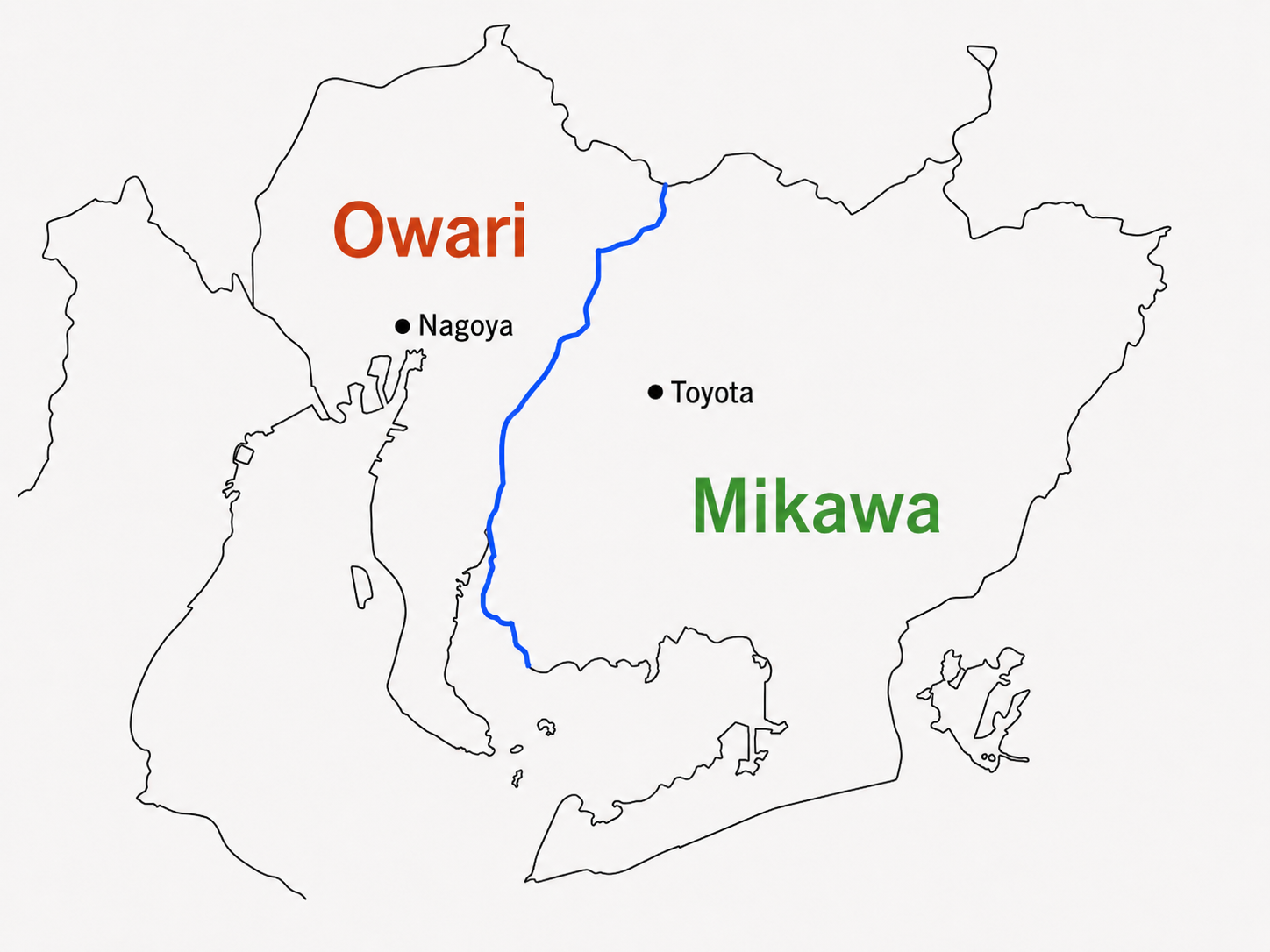
Historically, the region has been divided into Owari and Mikawa.
These two areas are close to each other, but they have different historical backgrounds, local identities, and cultural images.
One interesting geographical point is the Sakai River.
The river forms part of the boundary between Owari and Mikawa.
A river is not only a physical feature.
In many regions, it also becomes a line that separates communities, identities, and ways of thinking.
Owari is often associated with Nagoya, urban culture, commerce, and political history.
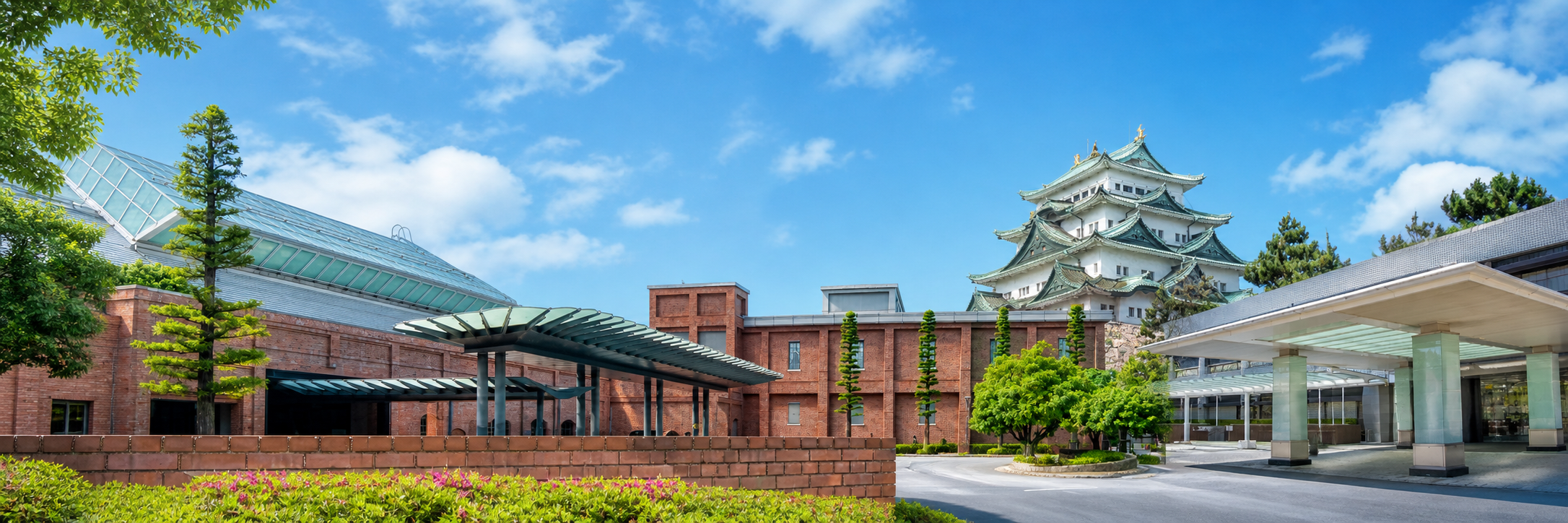
Nagoya Castle and the old castle town remind us that this area was not only an industrial place, but also a center of administration, trade, and urban life.
Mikawa, on the other hand, is often described as more practical, disciplined, and process-oriented.
I grew up in Okazaki, in Mikawa, so this is also a personal topic for me.
Of course, regional character should not be simplified too much.
But when we look at Toyota, suppliers, and manufacturing culture in this area, Mikawa’s practical image becomes an interesting lens.
When people talk about Japanese manufacturing, they often focus on companies, production systems, or technology.
But companies do not grow in empty space.
They grow in specific regions, with specific histories, people, education, suppliers, and local values.
This is why I think regional culture is important when explaining Aichi’s manufacturing.
Toyota is a global company, but its roots are local.
To understand Toyota only as a corporation is not enough.
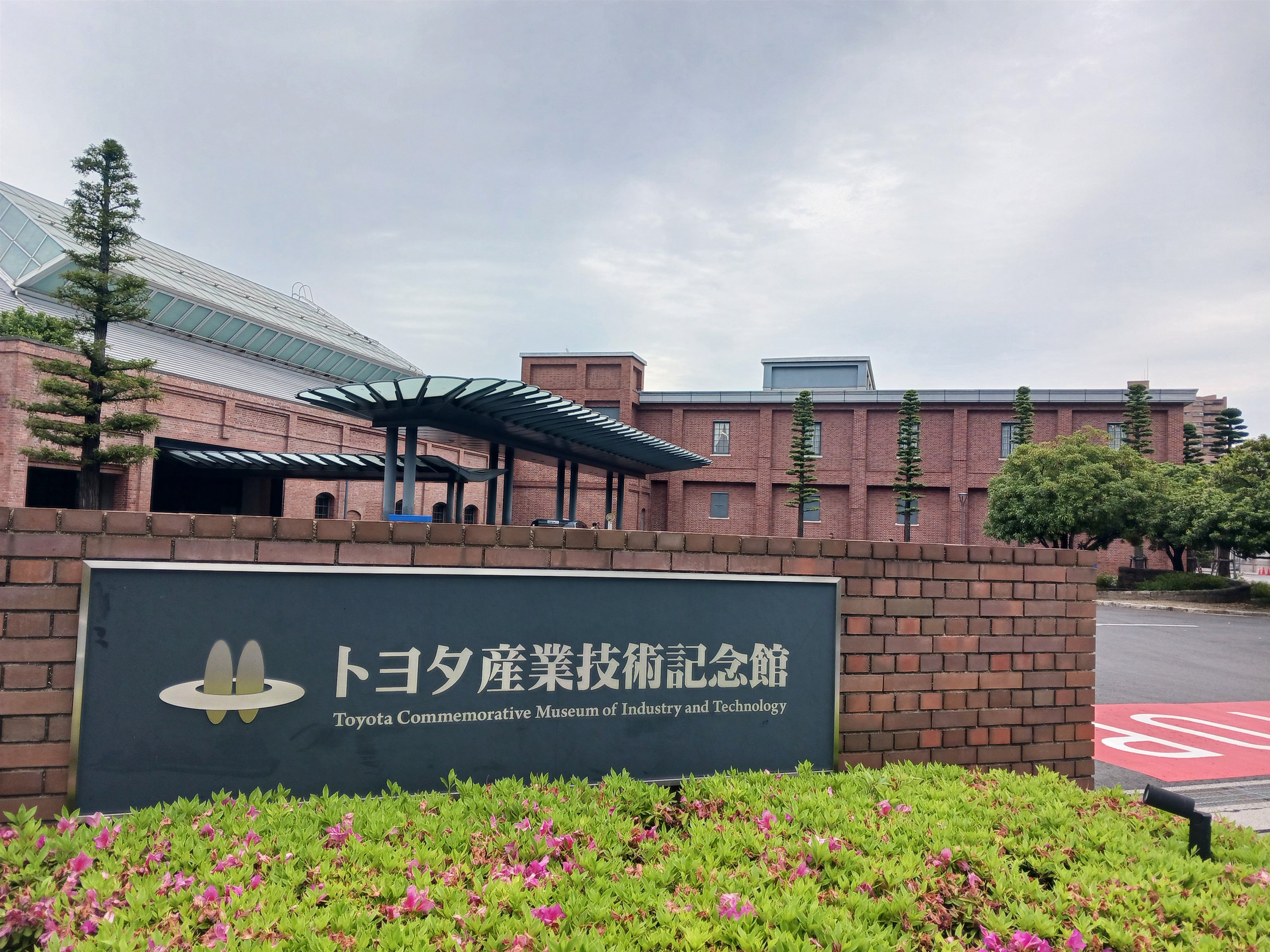
It is also useful to understand the region where it developed: textile history, local suppliers, practical problem-solving, and a culture of continuous improvement.
For visitors, Owari and Mikawa offer more than local history.
They offer a way to understand how geography, culture, and industry are connected.
This is the kind of story I like to share through Nagoya Monozukuri Tours: not only where to go, but why the region became what it is today.